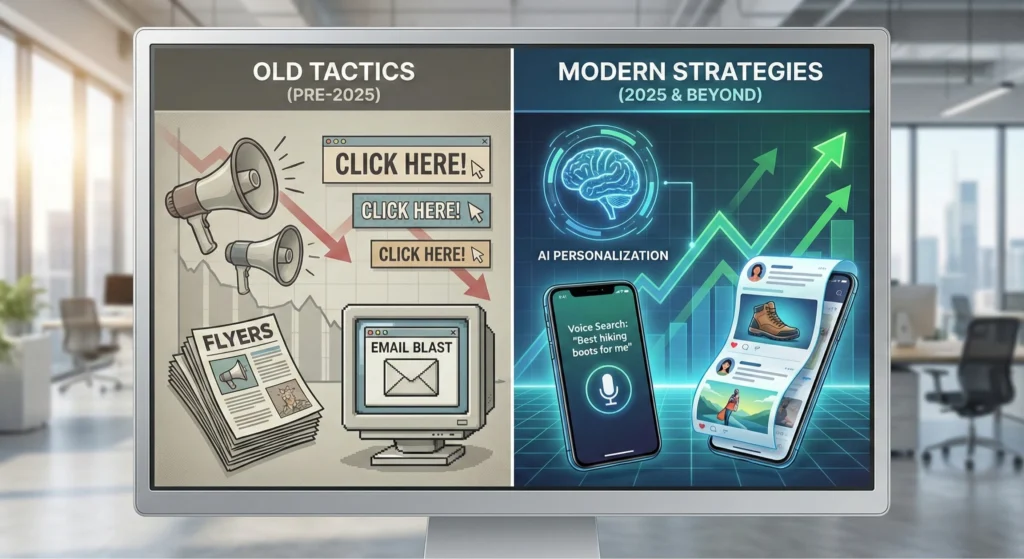
Last month, a small business owner in Houston sat across from me, frustrated. She’d spent $12,000 on digital marketing in 2024 and couldn’t point to a single new customer it brought in. Her agency delivered reports full of vanity metrics, beautiful graphs showing impressions and reach, but her phone wasn’t ringing. Digital marketing trends 2025 aren’t just about adopting new tools or chasing algorithm updates. They’re about understanding what actually drives measurable business results in an environment where AI is rewriting search, social platforms are prioritizing authentic engagement over paid reach, and consumers have learned to ignore anything that smells like traditional advertising. The gap between what marketers talk about at conferences and what actually generates revenue has never been wider.
This article cuts through the noise. You won’t find generic advice about “creating great content” or “being authentic on social media.” Instead, I’m breaking down the 10 digital marketing trends 2025 that businesses are using right now to generate leads, close sales, and build sustainable growth, backed by real search data and verified by what’s actually working in competitive markets across the USA, UK, Australia, and Canada.
Digital Marketing Trends 2025: The Search-First Revolution
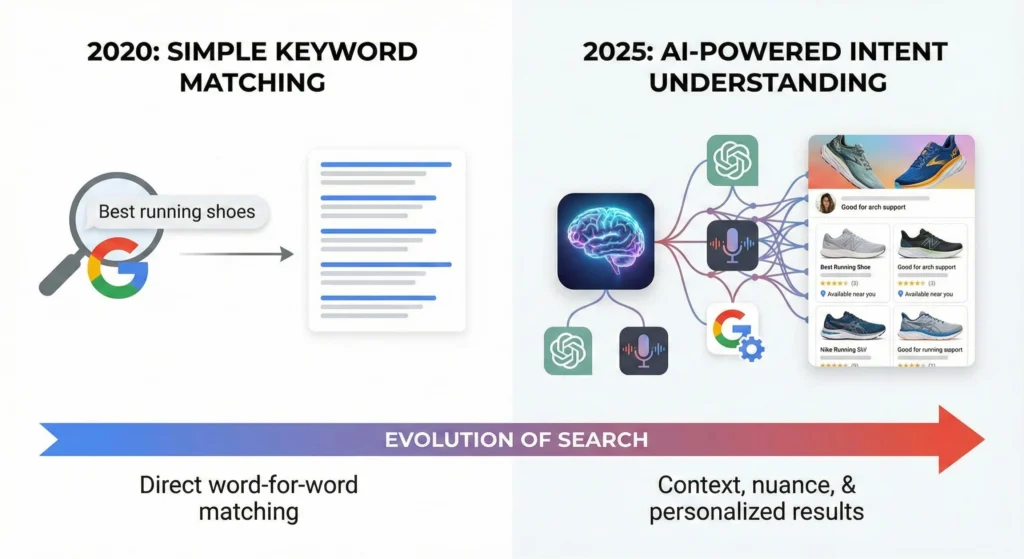
Digital marketing trends 2025 represent a fundamental shift in how businesses connect with customers online. The core principle is simple: search behavior has evolved from keyword matching to intent understanding, and successful marketing now requires creating content and experiences that align with how people actually look for solutions. This isn’t about gaming algorithms. It’s about becoming the answer Google’s AI wants to recommend, the resource ChatGPT wants to cite, and the business potential customers trust before they ever fill out a contact form.
Here’s what defines the search-first approach in 2025:
- AI-powered search integration where your content needs to satisfy both traditional search engines and AI answer engines like ChatGPT, Gemini, and Perplexity
- Zero-click optimization that provides value even when users don’t visit your site, building brand authority through featured snippets and AI Overview citations
- Topic authority over keyword targeting, where comprehensive coverage of subject areas outperforms narrow keyword-focused pages
- Experience-driven content that demonstrates real expertise rather than theoretical knowledge, satisfying Google’s E-E-A-T requirements through authentic insights
- Multi-platform search presence across Google, YouTube, social platforms, and AI tools, meeting users wherever they start their research journey
The reason this works comes down to how search technology has matured. Google’s algorithms now understand context, user intent, and content quality with remarkable accuracy. When you create genuinely helpful resources that answer real questions comprehensively, you’re not just optimizing for one platform. You’re building digital assets that perform across every channel where potential customers might discover you. The businesses winning in 2025 aren’t the ones with the biggest ad budgets. They’re the ones providing the most valuable answers.
I watched this play out with a client in the legal space. They shifted from keyword-stuffed service pages to comprehensive educational content addressing every question someone might have before hiring an attorney. Within four months, their organic traffic doubled, but more importantly, the quality of their leads transformed. People were reaching out, already educated, already convinced of their expertise, and ready to move forward. That’s the power of the search-first revolution.
SEO Strategies for Small Businesses: The Local Authority Framework
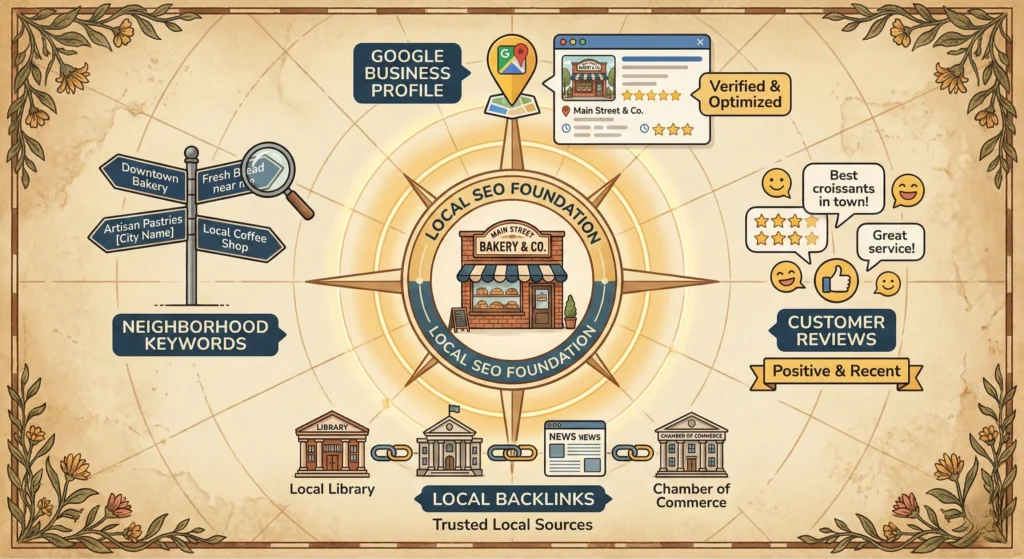
SEO strategies for small businesses in 2025 focus on dominating local search results and building geographic authority that larger competitors can’t replicate. Small businesses have a massive advantage that most don’t recognize: they can become the definitive local expert in their field faster than national brands can adapt to local nuances. The framework combines technical optimization with genuine community connection, creating a digital presence that feels both authoritative and authentically local.
The most effective SEO strategies for small businesses include:
- Hyper-local content creation targeting neighborhood-specific searches and addressing community-specific needs
- Google Business Profile optimization with regular posts, customer Q&A engagement, and strategic use of service area targeting
- Local link building through partnerships with local organizations, chambers of commerce, and community events
- Review generation systems that consistently gather authentic customer feedback across Google, Yelp, and industry-specific platforms
- Mobile-first technical optimization ensuring fast load times and seamless user experience on smartphones
- Voice search targeting with conversational long-tail keywords that match how people actually speak when searching
Small businesses often waste resources competing for broad national keywords when the real opportunity lies in local dominance. When someone in your city searches for your service plus a location modifier, you should own that result. The technical execution matters, but the real competitive advantage comes from creating content that demonstrates you actually understand the local market. National chains can’t replicate local expertise authentically, and Google’s algorithms reward genuine local knowledge.
Here’s what this looks like in practice. A small HVAC company in Austin stopped chasing generic “HVAC repair” keywords and started creating content about Austin-specific challenges: how the extreme heat affects different AC units, which systems work best in older Central Austin homes, and how to handle the unique humidity patterns in different neighborhoods. They mentioned local streets, local building codes, and local weather patterns. Within six months, they dominated every meaningful local search in their service area. Their competitor with the bigger ad budget couldn’t compete because their content was generic and could apply to any city.
Best SEO Tools: The Strategic Stack That Actually Moves Metrics
The best SEO tools in 2025 aren’t just data platforms. They’re strategic systems that help you make faster, smarter decisions about where to invest your effort. I’ve watched businesses drown in analytics dashboards while their competitors with simpler toolsets outperform them consistently. The right stack depends on your specific needs, but certain tools have proven themselves essential across industries and business sizes.
Essential SEO Tools for 2025:
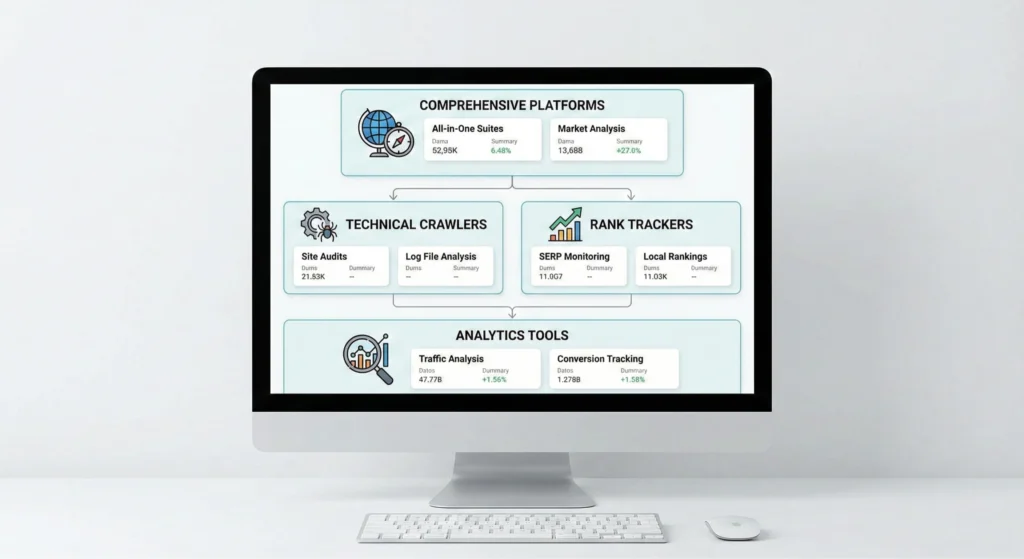
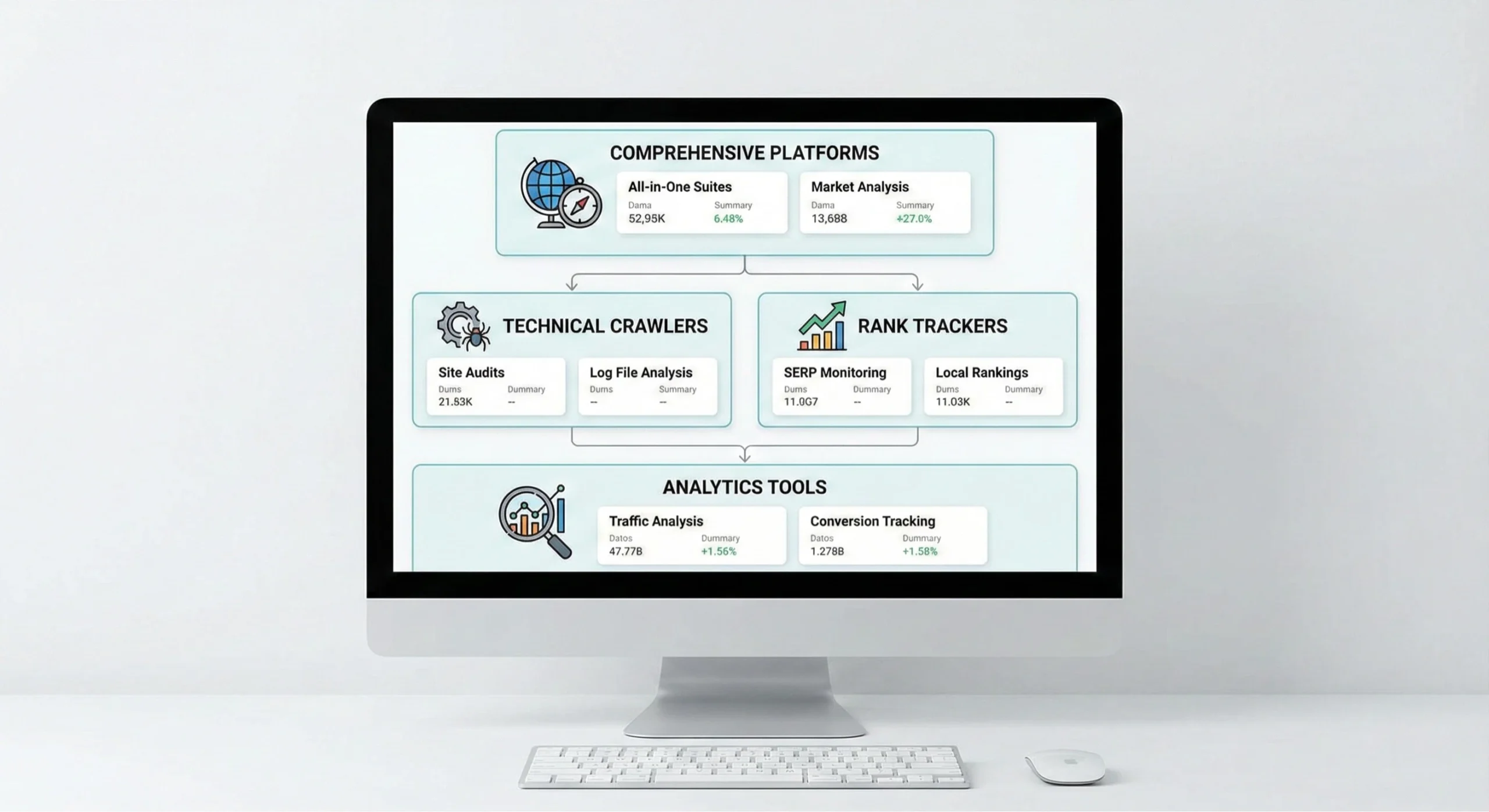
- Comprehensive platforms (Ahrefs, SEMrush, or Moz Pro) for keyword research, competitor analysis, and backlink monitoring that provide the strategic overview you need
- Technical SEO crawlers (Screaming Frog, Sitebulb) that identify the structural issues holding your site back from ranking
- Rank tracking systems (AccuRanker, SERPWatcher) that monitor your position for target keywords across locations and devices
- Content optimization tools (Clearscope, MarketMuse, SurferSEO) that help you create comprehensively optimized content that covers topics thoroughly
- Google Search Console and Google Analytics 4 for understanding actual user behavior and search performance from the source
- Page speed tools (Google PageSpeed Insights, GTmetrix) that identify performance bottlenecks affecting user experience and rankings
What separates effective tool usage from data collection theater is knowing which metrics actually matter. Most businesses track dozens of metrics when three or four drive all their results. Your tools should help you answer specific strategic questions: Which keywords can we realistically rank for? What content gaps exist in our coverage? Where are the technical issues preventing indexing? Which pages drive actual conversions? If a tool doesn’t help answer questions that lead to action, it’s just expensive noise.
The best SEO tools also adapt to how search is changing. In 2025, this means tools that help you optimize for AI Overviews, that track your brand mentions across the web (even when you’re not linked), and that help you understand topical authority rather than just keyword rankings. A client recently asked me which tool they should buy first with a limited budget. I told them to start with Google Search Console (free) and a comprehensive platform like Ahrefs. Master those two before adding anything else. Most businesses need better execution of basic insights more than they need more data sources.
Content Marketing Tips: The Value-First Content Engine
Content marketing tips that actually work in 2025 start with a simple truth most marketers ignore: nobody wants your content. They want solutions to problems, answers to questions, or entertainment that makes their day better. The most effective content marketing tips focus on creating assets so valuable that people seek them out, share them willingly, and remember your brand when they’re ready to buy. This requires shifting from promotional thinking to genuine service.
Core content marketing tips for sustainable results:
- Answer real questions thoroughly rather than creating superficial content around keywords, going deeper than competitors to become the definitive resource
- Use the “content upgrade” model, where each piece connects to something more valuable (detailed guides, tools, templates) that captures leads naturally
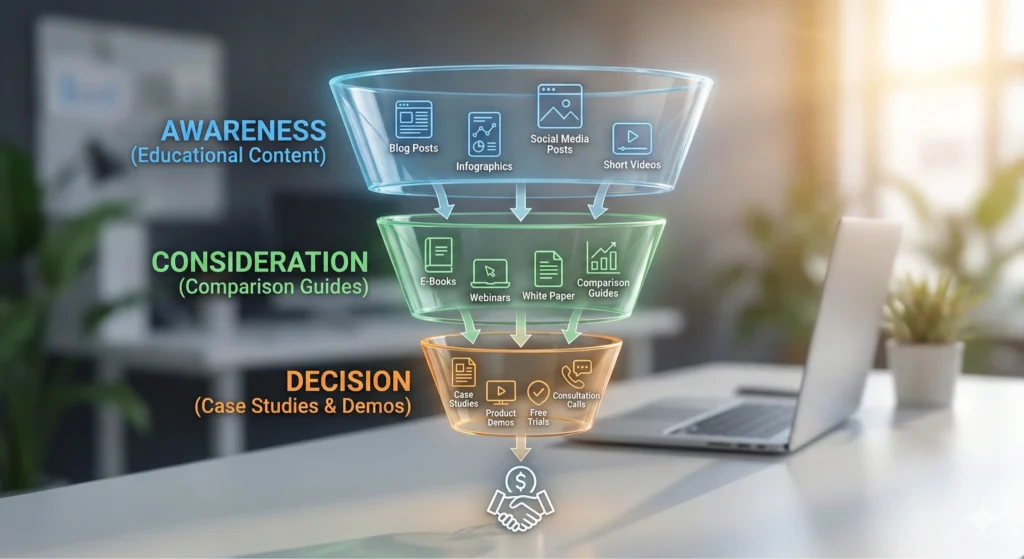
- Create content for different buyer journey stages, recognizing that awareness content, consideration content, and decision content serve different purposes
- Leverage multiple formats, including written articles, videos, podcasts, infographics, and interactive tools, to reach different learning preferences
- Build content clusters around core topics rather than isolated posts, creating comprehensive hubs that demonstrate topical authority
- Optimize for featured snippets and AI citations by including concise, quotable answers within comprehensive content
The biological reason this approach works connects to how people actually consume information online. When someone finds genuinely helpful content that solves their immediate problem without forcing them through a sales pitch, their brain releases a small hit of dopamine associated with problem-solving and competence. They associate your brand with that positive feeling. Later, when they need the service you provide, your brand carries that positive association. You’re not just top of mind. You’re trusted.
I saw these transformation results for a B2B software company. They were publishing three blog posts weekly, all promotional, all focused on their product features. Traffic was flat, and leads were minimal. We cut publishing frequency to once weekly but shifted to genuinely helpful content addressing the actual problems their target customers faced, whether our client’s product was part of the solution or not. One article about solving a common integration challenge got cited by an industry influencer, shared across LinkedIn, and generated more qualified leads in two months than their entire previous year of content. That’s what happens when you prioritize value over volume.
Social Media Marketing Strategies: The Multi-Platform Ecosystem
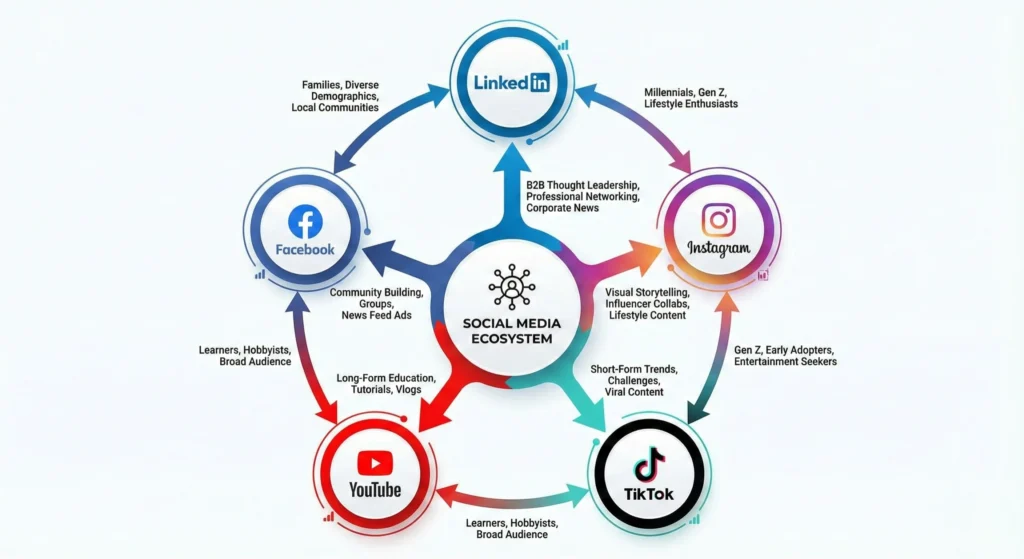
Social media marketing strategies for 2025 acknowledge a fundamental shift: organic reach is dead on most platforms, but authentic engagement is more valuable than ever. The winning approach treats social media not as a broadcasting channel but as a relationship-building ecosystem where each platform serves a specific strategic purpose. You can’t succeed everywhere, so the smartest social media marketing strategies focus on dominating the one or two platforms where your specific audience actually engages.
Platform-specific social media marketing strategies:
- LinkedIn for B2B authority using thought leadership content, employee advocacy programs, and strategic commenting to build professional credibility
- Instagram for visual storytelling, leveraging Reels, Stories, and user-generated content to create a community around lifestyle-oriented brands
- TikTok for viral reach when targeting younger demographics with entertaining, educational short-form video that feels native to the platform
- YouTube for evergreen video content that serves as both a search engine optimization play and a long-term content library
- Facebook for community building through groups and local business pages, particularly effective for service businesses targeting older demographics
- Twitter/X for real-time engagement in industries where news, trends, and thought leadership conversations happen at speed
What makes these strategies effective is understanding that each platform has a different content consumption mindset. LinkedIn users want professional insights that make them better at their jobs. Instagram users want aspirational content that fits their aesthetic interests. TikTok users want entertainment that doesn’t feel like advertising. When you match your content to platform expectations while staying authentic to your brand, engagement follows naturally.
Here’s the mistake most businesses make: they try to be everywhere with the same content repurposed across platforms. I worked with a local restaurant that was posting the same promotional content to Instagram, Facebook, and TikTok with terrible results everywhere. We killed their presence on two platforms and went all-in on Instagram with behind-the-scenes content, chef stories, and beautiful food photography that matched the platform’s visual-first nature. Engagement increased 400%, and more importantly, they started seeing customers mention specific Instagram posts when making reservations. That’s social media marketing that actually drives business results.
Voice Search Optimization: The Conversational Search Advantage
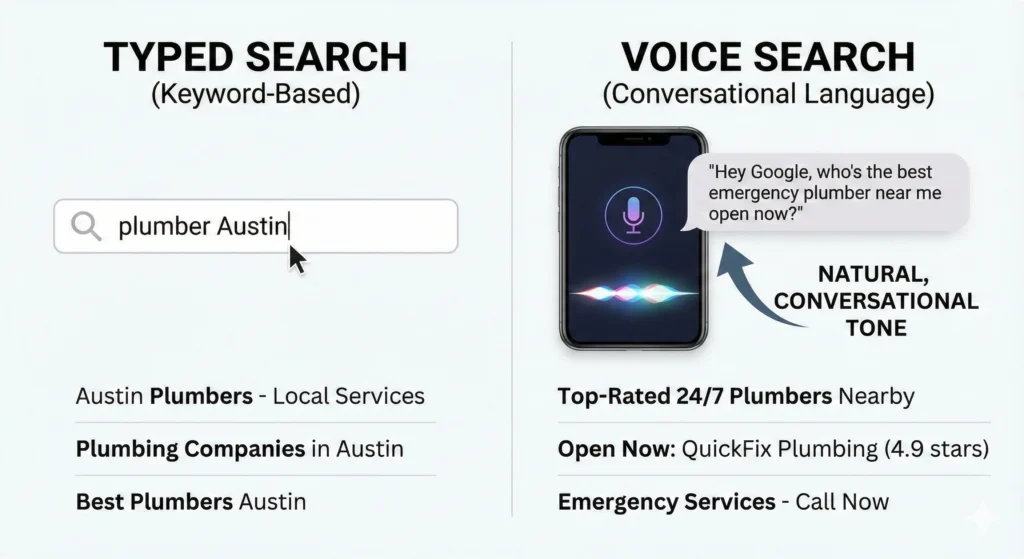
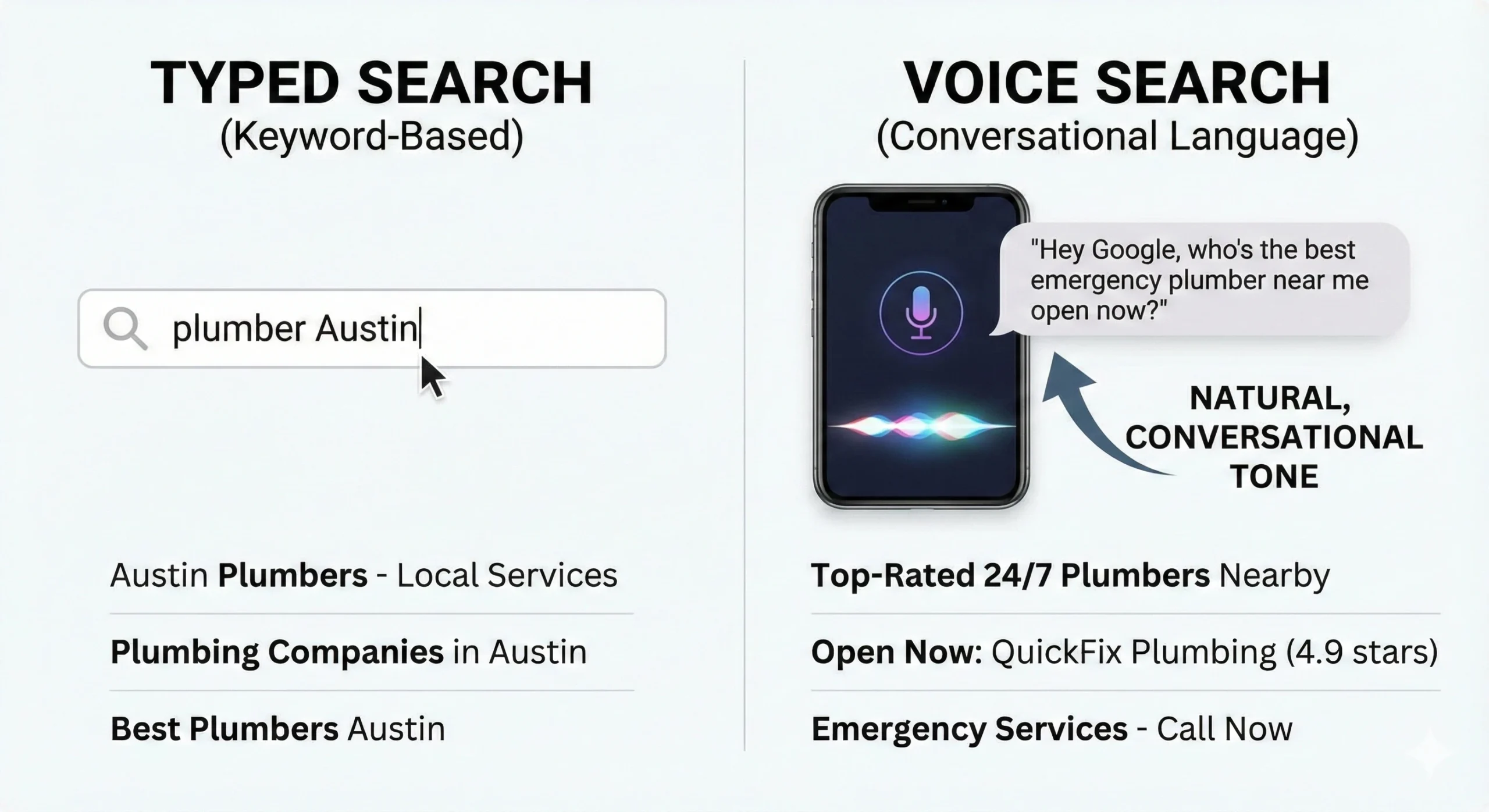
Voice search optimization in 2025 isn’t a separate strategy. It’s how you adapt your existing SEO to match how people actually talk when they search. The technical reality is simple: when someone types a search, they use abbreviated language (“best Italian restaurant Austin”). When they speak a search, they use natural conversational patterns (“What’s the best Italian restaurant near me that takes reservations?”). Voice search optimization means capturing that conversational long-tail traffic that typed searches miss.
Core components of voice search optimization:
- Question-based content targeting that directly answers “who,” “what,” “when,” “where,” “why,” and “how” queries in your field
- Featured snippet optimization, since voice assistants often pull answers from position zero results
- Local optimization integration because voice searches are three times more likely to be local (“near me” searches)
- Conversational long-tail keywords that match natural speech patterns rather than abbreviated typed queries
- FAQ schema markup that helps search engines identify and extract question-answer pairs from your content
- Mobile page speed optimization, since most voice searches happen on mobile devices
The reason voice search optimization matters more every year is adoption patterns. Smart speakers sit in 35% of U.S. households now. Younger demographics use voice search as their primary method. The queries are high-intent because people use voice search when they’re actively looking for immediate solutions. If you’re not optimized for these conversational searches, you’re invisible to a growing segment of high-value traffic.
I watched a home services company transform its lead generation by focusing on voice search optimization. They created FAQ content targeting every variation of “how do I fix [problem]” and “who can repair [issue] near me” in their service area. They added structured data markup so voice assistants could easily extract answers. Within three months, they were getting late-evening and weekend leads from people using voice search when traditional businesses were closed. That’s the voice search advantage: capturing demand when competitors aren’t even visible.
Email Marketing Best Practices: The Relationship Revenue System
Email marketing best practices in 2025 focus on a metric most marketers ignore: relationship depth over list size. The businesses generating real revenue from email aren’t the ones with massive subscriber counts. They’re the ones with engaged audiences who actually open emails, click through, and take action. Email marketing best practices recognize that your list is a relationship asset, not a broadcast channel, and every message either strengthens or weakens that relationship.
Proven email marketing best practices:
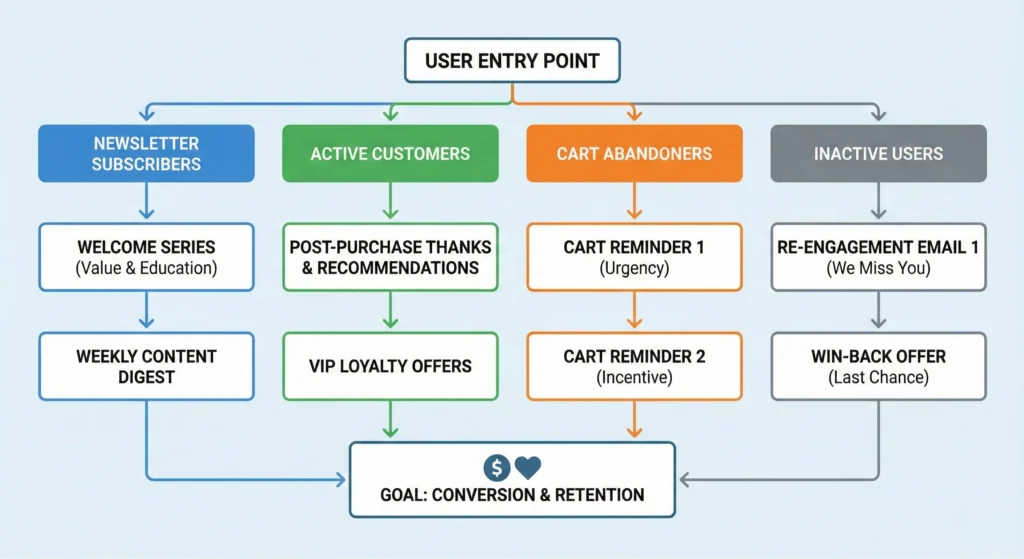
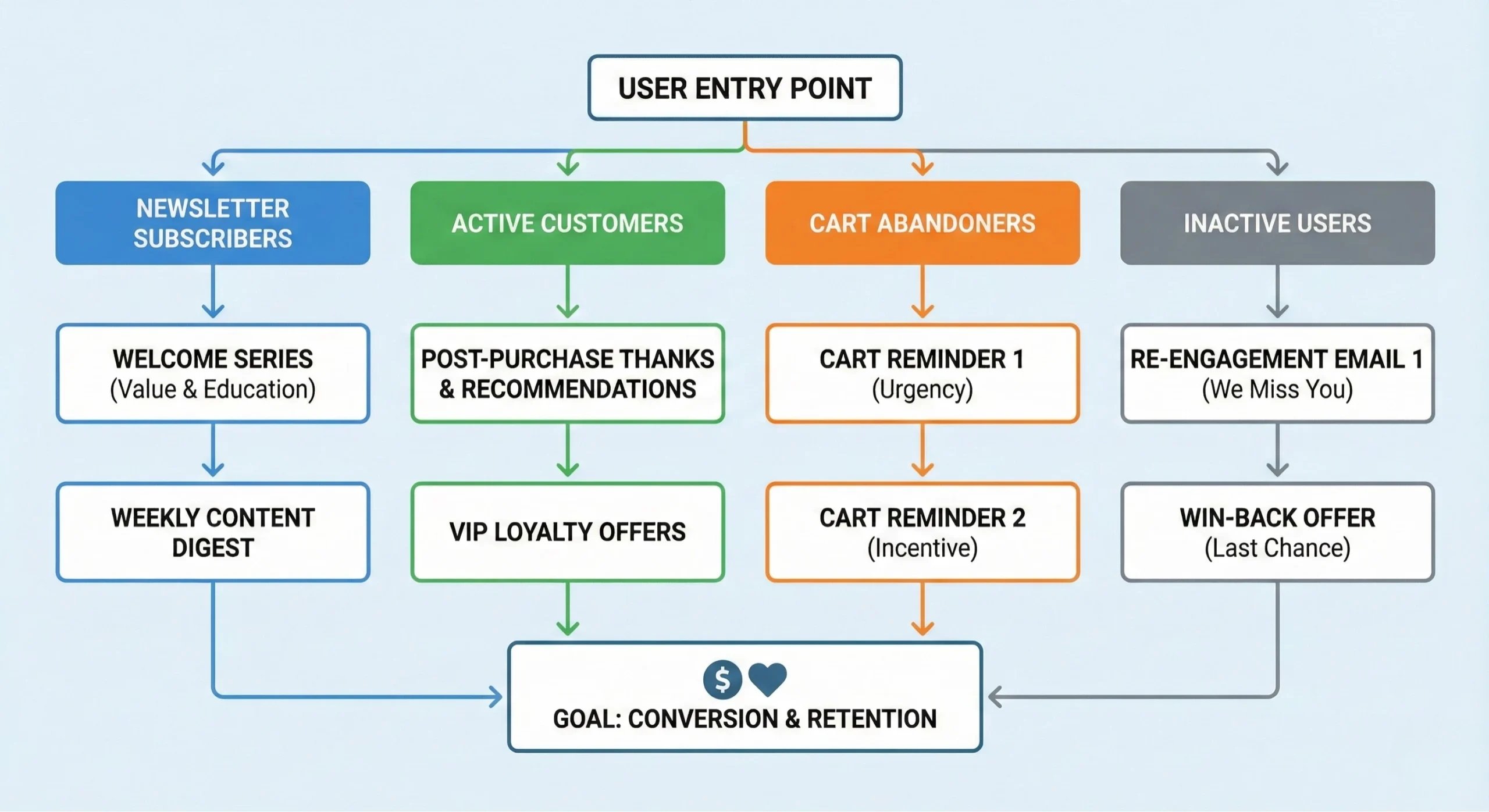
- Segmentation based on behavior rather than demographics, sending different messages based on what people actually do (opens, clicks, purchases, browsing)
- Value-first sequencing, where every email provides something useful before asking for anything, builds reciprocity naturally
- Personalization beyond first names using browsing history, purchase data, and engagement patterns to send truly relevant messages
- Mobile optimization with scannable content, clear calls-to-action, and designs that work on small screens, where most emails get opened
- Testing everything systematically, from subject lines to send times to content formats, letting data drive decisions
- Re-engagement campaigns that identify inactive subscribers and either win them back with compelling offers or clean your list for better deliverability
Email marketing works because it’s the only digital channel you own completely. Social platforms can change algorithms overnight. Search engines can update ranking factors. But your email list belongs to you, and when you’ve built genuine relationships with subscribers, you have direct access to an audience that actually wants to hear from you.
Let me tell you what happens when businesses ignore email marketing best practices. A retail client came to me frustrated that their email campaigns generated almost no sales despite sending promotional emails three times weekly. We cut frequency to once weekly, segmented their list by purchase history and browsing behavior, and created different content streams for different customer types. Revenue per email increased 300%. But more importantly, their unsubscribe rate dropped 75% because people were getting messages they actually found relevant. That’s the relationship revenue system in action.
E-commerce Marketing Strategy: The Conversion-Focused Sales Path
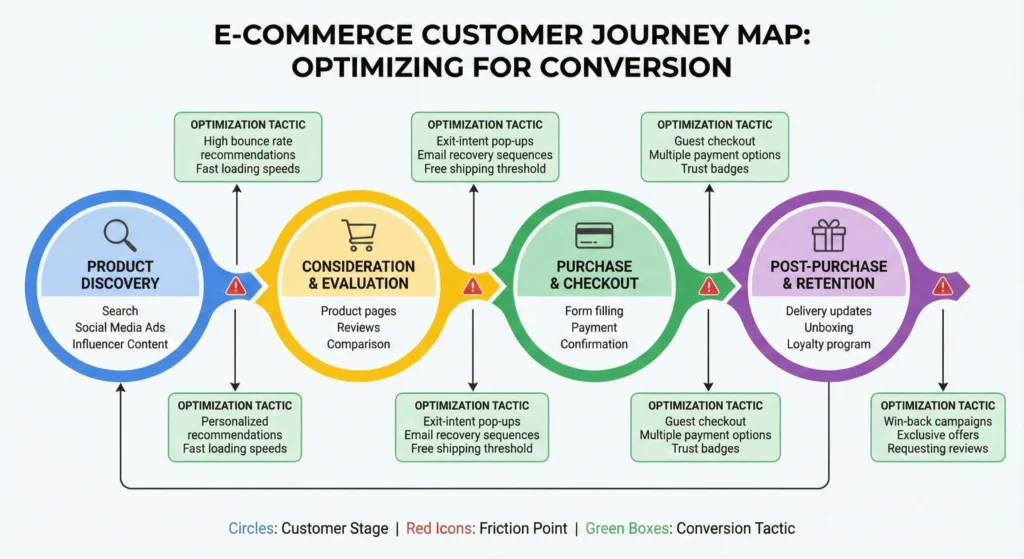
E-commerce marketing strategy in 2025 is all about removing friction from the buying journey while building enough trust to overcome natural online purchase hesitation. The businesses dominating e-commerce aren’t necessarily the ones with the best products. They’re the ones that make buying effortless, build trust at every touchpoint, and create experiences that turn first-time buyers into repeat customers. An effective e-commerce marketing strategy optimizes the entire customer journey, not just traffic generation.
Essential ecommerce marketing strategy components:
- Product page optimization with comprehensive descriptions, multiple high-quality images, video demonstrations, and clear benefit-focused copy
- Strategic retargeting campaigns that bring back visitors who abandoned carts or browsed without buying, using specific product reminders and incentives
- Email automation sequences for abandoned carts, post-purchase follow-ups, review requests, and replenishment reminders for consumable products
- Social proof integration through customer reviews, user-generated content, and trust badges that reduce purchase anxiety
- Personalized product recommendations using browsing and purchase history to surface relevant items that increase average order value
- Streamlined checkout processes with guest checkout options, multiple payment methods, and transparent shipping costs that reduce cart abandonment
The psychology behind effective e-commerce marketing is simple: every additional step, every unanswered question, and every moment of uncertainty increases the chance someone abandons the purchase. Your ecommerce marketing strategy should systematically identify and eliminate every source of friction while building trust signals that overcome skepticism.
I worked with an e-commerce brand struggling with an 80% cart abandonment rate. The issue wasn’t traffic or product quality. It was friction. Their checkout required account creation, shipping costs weren’t visible until the final step, and their return policy was buried in legal terms. We implemented guest checkout, moved shipping costs to the product page, created a prominent money-back guarantee, and added an abandoned cart email sequence. Cart abandonment dropped to 45% within two weeks. Sometimes, the most powerful ecommerce marketing strategy is just making it easier for people who already want to buy to actually complete the purchase.
AI in Digital Marketing: The Intelligent Automation Layer
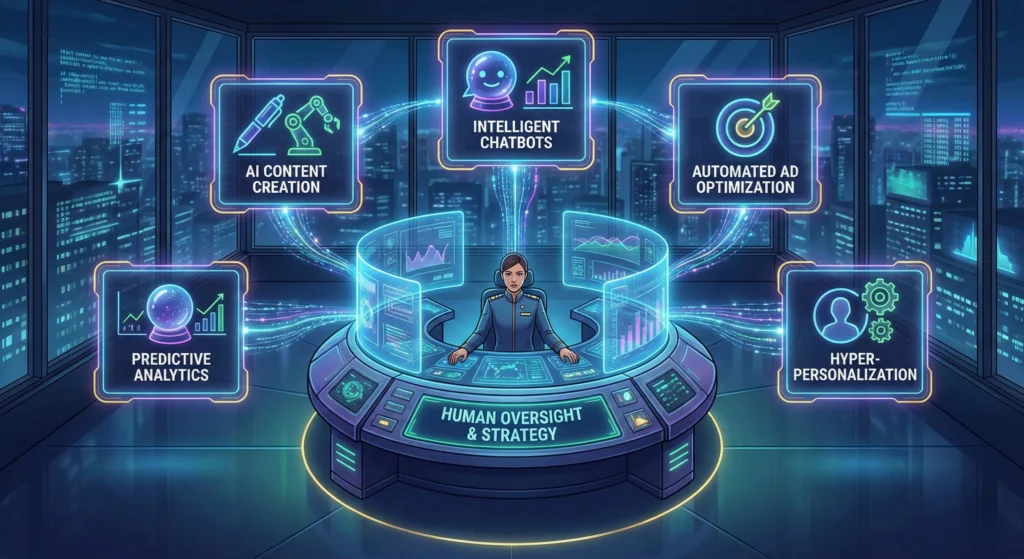
AI in digital marketing has moved from experimental to essential. The businesses leveraging AI in digital marketing effectively aren’t using it to replace human creativity. They’re using it to handle repetitive tasks, analyze data patterns humans would miss, and personalize experiences at scale that would be impossible manually. AI in digital marketing works best as an augmentation layer that makes human marketers more strategic, not as a replacement for human insight and judgment.
High-impact AI in digital marketing applications:
- Content creation assistance where AI handles first drafts, headline variations, and meta descriptions while humans provide strategy and refinement
- Predictive analytics that identify which leads are most likely to convert, which customers are at risk of churning, and which campaigns will perform best
- Chatbot customer service that handles common questions instantly while routing complex issues to human team members
- Ad campaign optimization where AI adjusts bids, targeting, and creative elements in real-time based on performance data
- Personalization engines that customize website content, email messaging, and product recommendations for individual users automatically
- Voice of customer analysis that processes thousands of reviews, support tickets, and social mentions to identify trends and sentiment
What makes AI in digital marketing genuinely transformative is speed and scale. An AI system can analyze customer behavior patterns across millions of data points in seconds. It can personalize messaging for thousands of individual users simultaneously. It can test hundreds of ad variations and optimize toward winning combinations faster than any human team. But AI lacks context, judgment, and the ability to understand cultural nuance or emotional resonance. The winning strategy combines AI’s processing power with human strategic thinking.
Here’s how this plays out practically. A client was spending 15 hours weekly writing meta descriptions for hundreds of product pages. We implemented an AI tool that generated first drafts based on product data, which humans then reviewed and refined in about 3 hours total. That freed up 12 hours for actual strategic work, developing content strategies, and improving customer experience. That’s AI in digital marketing done right: automating the tedious so humans can focus on the strategic.
Local SEO Techniques: The Geographic Dominance Blueprint
Local SEO techniques in 2025 are the most underutilized advantage available to small and medium businesses. While national brands optimize for broad keywords, local businesses can dominate their geographic markets using specific local SEO techniques that build unassailable competitive advantages. The businesses winning local search aren’t necessarily the biggest or oldest. They’re the ones executing local SEO techniques consistently and comprehensively.
Critical local SEO techniques:
- Google Business Profile mastery, including complete profile information, regular posts, active Q&A management, and strategic use of all available features
- Location-specific content creation that addresses neighborhood-level searches and demonstrates genuine local expertise
- Local citation building with consistent NAP (name, address, phone) information across directories, industry sites, and local platforms
- Review generation systems that consistently gather authentic reviews across Google, Yelp, Facebook, and industry-specific review sites
- Local backlink acquisition from community organizations, local news sites, business associations, and complementary local businesses
- Geographic keyword targeting that combines services with neighborhoods, landmarks, and location-specific qualifiers
The reason these local SEO techniques create such powerful advantages is competition. National brands can’t authentically create neighborhood-specific content. Franchise locations can’t easily build local backlinks. But an independent local business can become the recognized expert in their specific geographic area by demonstrating real local knowledge and community connection.
I watched this work for a boutique law firm in a competitive market. Every larger firm in their city was targeting broad legal keywords. This small firm created comprehensive content about each neighborhood they served, about local court procedures, and about Texas-specific regulations affecting their practice areas. They built relationships with local business organizations and earned backlinks from community sites. Within eight months, they dominated every search combining their practice area with their city or neighborhood names. When someone searched for their services locally, they appeared everywhere: organic results, map pack, and increasingly as the business’s local media for legal questions. That’s the geographic dominance blueprint in action.
When to Use Each Strategy
Not every digital marketing trend 2025 fits every business at every stage. Strategic execution requires knowing which approaches to prioritize based on your specific situation, resources, and goals.
Use SEO strategies for small businesses when:
- You have a defined geographic service area and can realistically dominate local search
- Your customers research extensively before buying and start that research with search engines
- You can commit to consistent content creation and technical optimization over 6-12 months
- Your competition hasn’t fully optimized for local search, creating opportunity gaps
- Your business has margin to support the 4-6 month timeline before seeing significant traffic
Use the best SEO tools when:
- You’re making strategic decisions about content, keywords, or technical optimization
- You need competitive intelligence about what’s working in your industry or market
- You have specific questions that data can answer (what topics to cover, which pages to improve)
- Your team has the skill to interpret data and turn insights into action
- The tool directly supports a decision or action, not just data collection
Use content marketing tips when:
- Your product or service requires education before purchase decisions
- You can demonstrate expertise that differentiates you from competitors
- You have the resources to create genuinely valuable content consistently
- Your audience actively searches for information related to your offerings
- Building long-term organic traffic makes more sense than relying solely on paid channels
Use social media marketing strategies when:
- Your target audience actively uses specific social platforms and engages with brand content
- You can create content that fits platform expectations (visual for Instagram, professional for LinkedIn)
- You have either a consistent content creation capacity or a budget for paid social advertising
- Community building and brand awareness matter as much as direct response
- You can commit to genuine engagement, not just broadcasting promotional messages
Use voice search optimization when:
- Your business serves immediate local needs (restaurants, services, emergency solutions)
- Your target demographic skews toward smart speaker users or mobile-first consumers
- You already have strong local SEO fundamentals and want to capture additional traffic
- Your content naturally lends itself to question-answer formatting
- You’re willing to optimize for long-tail conversational queries that may have lower individual volume
Use email marketing best practices when:
- You have an existing customer base or can generate qualified leads through other channels
- Your business benefits from repeat purchases or ongoing customer relationships
- You can provide genuine value in email form (education, deals, exclusive content)
- Your products or services have longer consideration cycles that benefit from nurturing
- You’re willing to segment audiences and personalize messaging based on behavior
Use an e-commerce marketing strategy when:
- You’re selling products online and need to optimize the entire buying journey
- You have meaningful cart abandonment and want to recover lost revenue
- Your average order value justifies investment in conversion optimization
- You can implement technical improvements to the checkout process and user experience
- You have products that benefit from retargeting and personalized recommendations
Use AI in digital marketing when:
- You have repetitive tasks consuming strategic time (content drafts, ad optimization)
- You have enough data for AI systems to identify meaningful patterns
- You need personalization at scale that would be impossible to do manually
- You’re willing to maintain human oversight and strategic direction
- The AI tool solves a specific problem, not just adds theoretical capability
Use local SEO techniques when:
- You serve a specific geographic area, and local searches drive significant business
- Your Google Business Profile isn’t fully optimized and actively managed
- You can create location-specific content demonstrating genuine local expertise
- Your competitors haven’t dominated local search results yet
- You’re committed to building local citations, reviews, and community relationships
The businesses that win aren’t the ones trying everything. They’re the ones who select the right strategies for their situation and execute them thoroughly.
The Integration Mindset
Digital marketing trends 2025 don’t work in isolation. The most effective approach integrates multiple strategies into a cohesive system where each component amplifies the others. Your SEO strategies for small businesses feed content for social media marketing strategies. Your content marketing tips create valuable material for email marketing best practices. Your local SEO techniques generate reviews that strengthen your overall search presence. Best SEO tools help you identify opportunities across all channels.
This isn’t about doing more. It’s about creating strategic connections so your efforts compound rather than fragment. When you publish comprehensive content optimized for voice search, formatted for featured snippets, promoted through social channels, and linked from your email campaigns, that single piece of content works harder than ten separate, disconnected efforts.
The integration mindset also means tracking how channels work together. Did that social media campaign drive email signups that later converted? Did that SEO-optimized blog post get shared on LinkedIn, generating backlinks that improved rankings? Did your Google Business Profile posts drive traffic that converted at higher rates? Understanding these connections helps you allocate resources strategically rather than treating each channel as a separate budget line.
When Digital Marketing Strategies Fail
Even the most proven digital marketing trends of 2025 fail when executed poorly or applied in the wrong context. Here’s when strategies break down:
Digital marketing strategies fail when:
- Strategy doesn’t match business model — applying B2C tactics to complex B2B sales or using viral social strategies for professional services that require trust
- Execution lacks consistency — starting strong but abandoning efforts before results materialize, typically in the 2-3 month period before SEO gains traction
- Tactics override strategy — chasing every new platform or trend without a clear connection to business objectives or target audience behavior
- Measurement focuses on vanity metrics — celebrating traffic, followers, or impressions while ignoring actual lead quality, conversion rates, or revenue
- Content lacks genuine value — creating content for search engines rather than humans, resulting in technically optimized garbage that satisfies neither
- Resources don’t support ambition — attempting comprehensive strategies without adequate time, budget, or expertise to execute effectively
The clearest sign a strategy is failing is when you can’t draw a direct line from the activity to business results. If you’re doing things because “you’re supposed to” or because competitors are, but you can’t explain how it will generate revenue, stop and reassess. The most expensive digital marketing mistake isn’t choosing the wrong strategy. It’s continuing to invest in strategies that aren’t working because you’re afraid to admit they’re not producing results.
I’ve watched businesses waste enormous budgets on social media because “everyone says you need to be on social,” while their actual customers were searching Google for solutions. I’ve seen companies invest heavily in content marketing while their sales process couldn’t convert the traffic they were generating. The failure wasn’t the strategy. It was the mismatch between strategy and business reality.
My Personal Digital Marketing Protocol
When I’m developing a digital marketing strategy for a new client or market, I follow a specific sequence that integrates these digital marketing trends 2025 strategically rather than attempting everything simultaneously.
My strategic sequence:
First, I audit the current state comprehensively. What’s working? What’s generating actual business results versus activity? Where is the biggest gap between current performance and potential? I use the best SEO tools to identify quick wins and strategic opportunities, but I spend most of this phase talking to customers, analyzing existing traffic sources, and understanding the actual buying journey.
Then I prioritize based on leverage. If local SEO techniques can generate qualified leads in 60-90 days with moderate investment, that usually comes before social media marketing strategies that require months of audience building. If existing content assets can be optimized for voice search with minimal effort, I do that before creating new content. I’m looking for the highest return on effort, not the most exciting opportunities.
Building your own protocol:
Your approach should match your specific situation, but start by answering these questions honestly. Where are your customers actually looking for solutions? Which channels drive qualified leads, not just traffic? What can you execute consistently with your current resources? What’s your realistic timeline for results? What competitive advantages do you have that strategies can amplify?
Then build a 90-day sprint focused on one or two high-leverage strategies executed thoroughly rather than five strategies executed superficially. Track actual business metrics (leads, revenue, qualified opportunities) rather than digital metrics (traffic, followers, rankings). After 90 days, assess what’s working and either double down or pivot. This disciplined approach outperforms scattered efforts every time.
Final Thoughts
Digital marketing trends 2025 represent a genuine evolution in how businesses connect with customers, driven by technological advancement and changing consumer behavior. But underneath all the innovation, the fundamentals remain constant: understand your audience, provide genuine value, build trust, and make it easy for people to do business with you.
The businesses that will dominate their markets aren’t the ones with the biggest budgets or the most sophisticated technology. They’re the ones that integrate these strategies thoughtfully, execute consistently, and maintain relentless focus on business results rather than digital vanity metrics. They use SEO strategies for small businesses to build local authority. They leverage the best SEO tools to make smarter decisions faster. They apply content marketing tips to become genuinely helpful resources. They use social media marketing strategies to build an authentic community. They optimize for voice search to capture conversational queries. They follow email marketing best practices to deepen customer relationships. They implement an e-commerce marketing strategy to remove friction from buying. They use AI in digital marketing to augment human capabilities. They execute local SEO techniques to dominate their geographic markets.
But most importantly, they integrate all these elements into a cohesive system where efforts compound, and channels reinforce each other, creating sustainable competitive advantages that can’t be easily replicated.
The opportunity in 2025 isn’t mastering every new tool or chasing every trend. It’s choosing the right strategies for your business, executing them thoroughly, and building digital assets that generate value long after you create them.
FAQ
What are the most important digital marketing trends 2025 for small businesses?
For small businesses, the most important digital marketing trends for 2025 are local SEO techniques, voice search optimization, and AI-powered personalization. These create competitive advantages that larger national competitors can’t easily replicate. Local SEO lets you dominate geographic searches. Voice search captures high-intent mobile traffic. AI tools let small teams operate with enterprise-level efficiency.
Which SEO strategies for small businesses deliver results fastest?
Google Business Profile optimization and local citation building deliver the fastest results, often showing improvement within 30-60 days. Creating location-specific content and building local backlinks takes slightly longer but creates sustainable advantages. The key is comprehensive execution of fundamentals before chasing advanced tactics.
What are the best SEO tools for businesses with limited budgets?
Start with Google Search Console and Google Analytics 4 (both free), then add one comprehensive platform like Ahrefs or SEMrush. This combination provides strategic insights, technical monitoring, and competitive intelligence. Master these before adding specialized tools. Free tools like Screaming Frog (limited version) and Google PageSpeed Insights handle technical audits effectively.
How do content marketing tips differ between B2B and B2C contexts?
B2B content marketing tips focus on demonstrating expertise and building trust through educational content addressing business challenges. B2C content marketing tips emphasize emotional connection and lifestyle alignment. B2B content typically has longer consideration cycles requiring nurturing sequences. B2C content often drives more immediate action. Both benefit from genuine value creation rather than promotional content.
What social media marketing strategies work best for professional services?
LinkedIn dominates for most professional services, focusing on thought leadership content, strategic commenting, and employee advocacy. The strategy emphasizes establishing expertise and building relationships over time rather than viral reach. Regular posting, authentic engagement with relevant conversations, and targeted paid campaigns to specific decision-makers generate better results than broad awareness plays.
How does voice search optimization differ from traditional SEO?
Voice search optimization targets conversational long-tail keywords matching natural speech patterns rather than abbreviated typed queries. It emphasizes question-based content, featured snippet optimization, and local search integration since voice searches are predominantly mobile and local. The content should directly answer specific questions in 40-60 words while existing within comprehensive topic coverage.
Pingback: 5 Smart AI Integration that will Transform Business Operations in 2026