

Visual storytelling in the digital age is the art of using images, graphics, and layout to communicate ideas faster and more emotionally than text alone. Strong design makes messages memorable, boosts engagement, and helps brands stand out in crowded feeds. Graphic design transforms information into experiences people actually feel and remember.
Visual storytelling turns ideas into emotional experiences people instantly “get.”
Good design increases clarity, engagement, and brand recall.
Graphics guide the viewer’s eye and shape how messages are interpreted.
Consistent visuals build trust and authority across digital platforms.
The right design improves conversions, not just aesthetics.

Here’s the truth: attention today is rented, not owned. People scroll at lightning speed, skipping anything that doesn’t spark emotion in the first second. Words alone rarely do that. But visuals? They stop the scroll, trigger curiosity, and make your message unforgettable. That’s the real power of graphic design — it gives your story a heartbeat.
What Is Visual Storytelling in the Digital Age?
Short Answer:
Visual storytelling is the practice of using design elements—images, colors, typography, icons, and layout—to communicate a message in a way that feels intuitive, emotional, and instantly meaningful. In the digital age, it’s how brands simplify complex ideas and create deeper connections.
Why it matters
People process visuals 60,000x faster than text. And with crowded timelines and shrinking attention spans, your design becomes the difference between being seen and being forgotten.
Why Is Graphic Design Essential for Modern Storytelling?
Short Answer:
Graphic design brings structure, emotion, and clarity to your message. It transforms raw information into something people want to engage with. Without design, stories get lost. With design, they get remembered.
The deeper truth
Graphic design is no longer “making things look pretty.” It’s strategic communication. It’s behavioral psychology. It’s the user’s experience before a single word is even read.
How graphic design elevates your story
- Emotion: Colors, shapes, and imagery trigger subconscious responses.
- Clarity: Visual hierarchy guides attention to what matters most.
- Memory: Well-designed visuals are processed and stored faster.
- Trust: Clean, consistent design signals professionalism and credibility.
- Differentiation: Strong visuals become brand identifiers.
How Does Visual Storytelling Improve Engagement?
Short Answer:
It increases engagement by making content easier to digest and more emotionally resonant. Visual stories keep people scrolling, clicking, sharing, and remembering.
Breakdown: what actually boosts engagement
- Contrast (light/dark, big/small) creates tension and focus.
- Gestalt principles help the brain make sense of chaos.
- White space gives the eyes room to breathe.
- Consistent brand identity builds familiarity — and familiarity converts.
- Micro-interactions (animations, mini-transitions) add delight.
What Types of Visual Content Make the Biggest Impact?
Short Answer:
The best-performing visuals are those that simplify complexity and spark emotion: infographics, branded templates, illustrations, motion graphics, and short-form video.
Top-performing formats
- Infographics — perfect for simplifying complex topics
- Carousels — strong for step-by-step education
- Short videos (Reels, TikTok, YouTube Shorts)
- Custom illustrations — make abstract concepts tangible
- Data visuals — add authority and credibility
- Branded social templates — build familiarity over time
Example
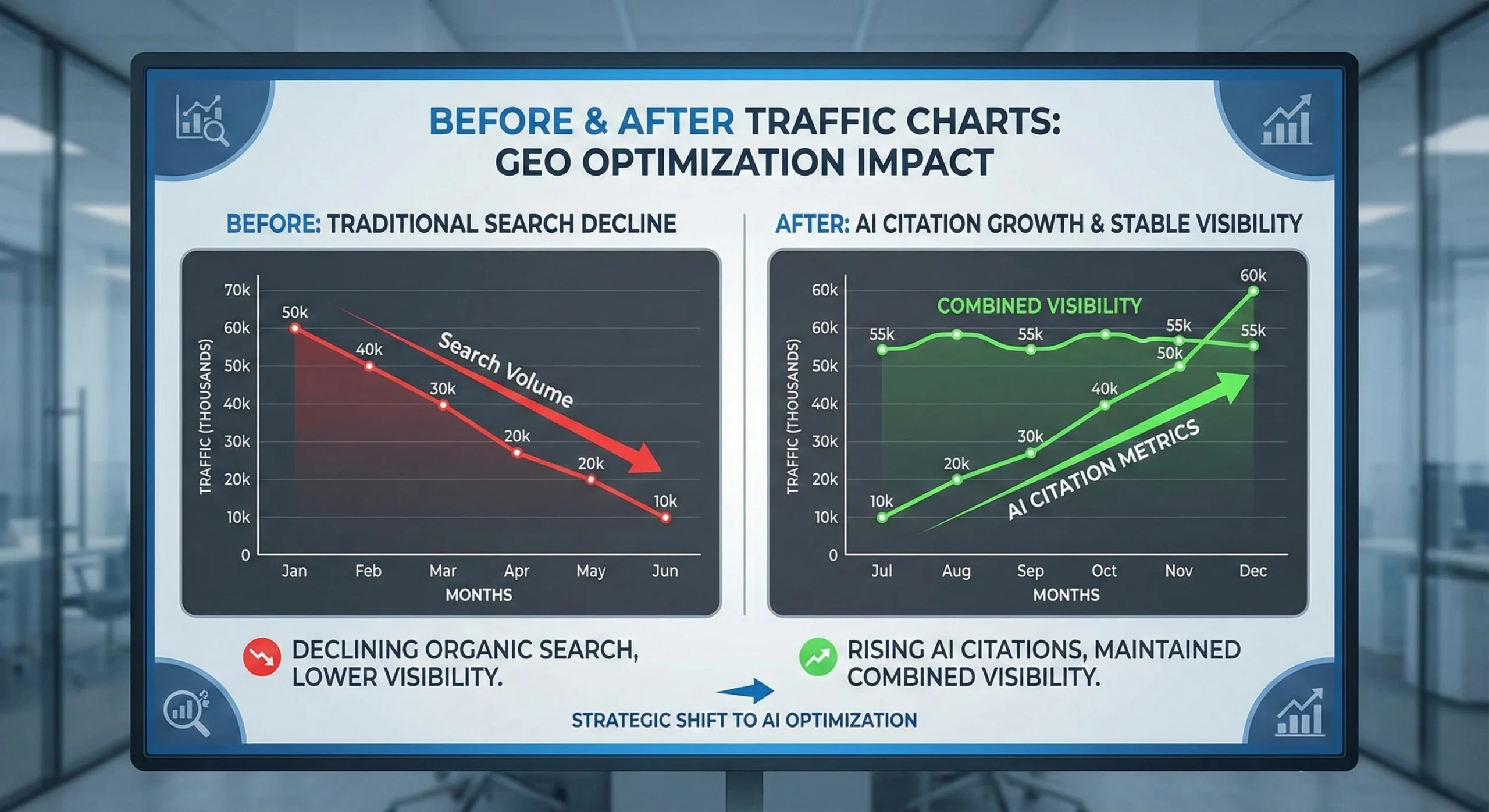
A startup explaining its AI tool might show a simple before/after graphic. Users instantly understand the transformation — no heavy text needed.
How Do You Build a Strong Visual Story? (Step-by-Step)
Short Answer:
Start with the message, choose visuals that reinforce it, and design for clarity and emotion. Every element should serve a purpose.
The 6-Step Visual Storytelling Framework
- Define the core message
What’s the one idea your audience must walk away with? - Choose the emotional tone
Warm? Energetic? Minimal? Bold?
Color and typography must match the feeling. - Design for hierarchy
Make the path through your content obvious. - Use visuals to simplify—not decorate
Graphics should add clarity, not clutter. - Pair visuals with concise copy
The best stories blend visuals + short, punchy lines. - Stay consistent
Fonts, colors, spacing, and illustration style must align across platforms.
What Role Does Graphic Design Play in Branding?
Short Answer:
Graphic design is branding. It shapes how people perceive your company before they ever read a word. Strong design creates instant recognition and trust.
Key brand impact elements
| Visual Element | Why It Matters |
|---|---|
| Logo | First impression and symbolic identity |
| Color palette | Sets the emotional tone |
| Typography | Defines personality and readability |
| Imagery style | Creates consistency across mediums |
| Layout rules | Ensures cohesiveness |
Mini Case Scenario
A wellness brand using soft pastels, rounded typography, and calm spacing conveys peace and care. Swap those for sharp angles and neon colors — the entire message changes.
How Can Businesses Use Visual Storytelling to Increase Conversions?
Short Answer:
By guiding the viewer’s eye, reducing cognitive load, and creating emotional momentum that encourages action.
Conversion-Boosting Tactics
- Use visual hierarchy to draw focus to CTAs.
- Replace long paragraphs with infographics and icons.
- Show “before vs after” scenarios.
- Use custom illustrations to make complex services easy to understand.
- Add social proof visuals (reviews, screenshots, media features).
Psychology at play
People don’t convert because they’re informed — they convert because they’re moved.
What Tools Help Create Powerful Visual Stories?
Short Answer:
Tools like Adobe Creative Cloud, Canva, Figma, and motion design apps make professional-quality storytelling accessible for brands of all sizes.
Recommended Tools
- Adobe Illustrator / Photoshop — high-end professional visuals
- Figma — UX/UI storytelling and prototyping
- Canva — fast, brand-consistent templates
- After Effects / CapCut — motion storytelling
PAA (People Also Ask) Questions
What makes a good visual story?
A good visual story is simple, emotional, and easy to understand at a glance. It uses color, layout, and imagery to guide attention and reinforce the message. Every visual element should have a purpose, helping the viewer grasp the idea quickly without feeling overwhelmed.
Why is graphic design important for digital marketing?
Graphic design shapes how people perceive your brand online. It boosts engagement, enhances clarity, and communicates professionalism. In digital marketing, design influences clicks, conversions, and how memorable your content becomes across social media, websites, and ads.
How do visuals improve communication?
Visuals compress complex ideas into digestible formats your brain understands faster than text. They provide structure, reduce cognitive load, and help messages stick. From charts to icons to short videos, the right visuals enhance comprehension and emotional impact.
Can small businesses benefit from visual storytelling?
Absolutely. Visual storytelling helps small businesses stand out in competitive markets. Even simple branded templates or infographics can elevate professionalism, improve engagement, and build trust—without needing a massive design budget.
How often should brands update their visual identity?
Most brands refresh elements every 2–4 years to stay modern and aligned with audience expectations. Minor updates (color tweaks, layout enhancements, illustration style) can be made annually to maintain consistency and keep up with digital trends.
How do I start using visual storytelling if I’m not a designer?
Begin with simple templates, icons, and color palettes from tools like Canva. Focus on clarity and consistency over complexity. Even basic visuals can dramatically improve how your message is received.
What’s the difference between visual storytelling and graphic design?
Graphic design is the craft. Visual storytelling is the strategy. Design creates the visuals; storytelling gives them meaning. Combined, they shape how your audience feels, learns, and remembers.
Does visual storytelling work on all platforms?
Yes. From Instagram to LinkedIn to websites and email marketing, visuals enhance communication everywhere. Just tailor the format to the platform’s style and audience behavior.
Which colors work best in digital storytelling?
There’s no universal “best” color—only the best color for your message. Warm tones energize; cool tones calm; bold colors grab attention. The key is consistency and intention.
Internal Link Map
(Replace URLs with your actual site links)
- Brand Identity Design Guide → /brand-identity-design
- Digital Marketing Strategies → /digital-marketing-strategy
- How to Build a Content System → /content-marketing-framework
- UI/UX Best Practices → /ui-ux-design
- Graphic Design Services → /graphic-design-services